A Phaedon Institute Initiative

Senotherapeutics Biomarker Consortium

Advancing senescence translation through unified science.

The Senotherapeutics Biomarker Consortium (SBC) is a precompetitive, international initiative to harmonize senescence biomarkers and accelerate the clinical translation of senotherapeutics.

SBC Inaugural Summit Dec 7, 2026 · Stanford University

About the SBC

From mechanistic insight to proven therapies

The Senotherapeutics Biomarker Consortium is a multistakeholder initiative spanning academia, biotechnology, pharmaceutical companies and regulatory agencies, coordinated under the umbrella of the Phaedon Institute.

It was announced at the 2nd SenoTherapeutics Summit and the 10th Annual Meeting of the International Cell Senescence Association (ICSA), a 4-day event co-organized by the Phaedon Institute and ICSA in Rome, September 2025.

Through a shared governance structure of topic-specific working groups, the SBC ensures tridirectional exchange between discovery science, translational development and regulatory considerations.

  • ModelPrecompetitive, international
  • Coordinated byPhaedon Institute
  • AnnouncedRome, September 2025
  • StructureTopic-specific working groups
Tridirectional exchange
  • Academia
  • Biotechnology
  • Pharma
  • Regulators

Guiding principles

Five commitments behind everything the SBC does

  1. 01 Collaboration Precompetitive partnership across every sector
  2. 02 Scientific Rigor Multicenter validation and reproducible methods
  3. 03 Regulatory Alignment Standards designed with qualification in mind
  4. 04 Secure Open Data Sharing FAIR data, shared responsibly
  5. 05 Patient-Centered Perspective Progress measured by impact on patients

The challenge

A Field at a Translational Inflection Point

The science of cellular senescence has advanced rapidly. Senescent cells, characterized by stable proliferative arrest, unresolved DNA damage and a complex secretory phenotype, accumulate with age and drive chronic inflammation, tissue dysfunction and a wide range of age-related diseases.

Senotherapeutics, interventions that eliminate, modulate or prevent the detrimental effects of senescent cells, represent a compelling class of therapies. Yet clinical translation remains limited.

the gap Therapeutic concepts Tools to measure & regulate then now
  • Assays differ across laboratories and disease contexts
  • No universally validated biomarkers exist
  • No regulatory consensus on acceptable endpoints

Therapeutic concepts are being proposed faster than the tools to measure, compare and regulate senescence in humans are being developed.The SBC was founded to close that gap.

How we work

Core Operational Objectives

Four interconnected objectives span discovery, validation and clinical translation.

Objectives

  • Biomarker Development & Harmonization

    Establish and validate a multimodal panel of senescence biomarkers through multicenter cross-validation and standardized protocols.

    • Molecular
    • Histological
    • Imaging
    • Functional
  • Data Sharing & Integration

    Develop a FAIR data infrastructure enabling comparison of senescence-associated signatures across models, tissues, diseases and technologies. AI-assisted platforms will support harmonization, meta-analysis and predictive modeling.

    • Findable
    • Accessible
    • Interoperable
    • Reusable
  • Regulatory Science Engagement

    Coordinate structured interactions with the FDA and EMA to define acceptable biomarkers, surrogate endpoints and clinical trial templates for senescence-targeting interventions.

    • FDA
    • EMA
    • Surrogate endpoints
    • Trial templates
  • Capacity Building, Standards & Best Practices

    Produce community-endorsed white papers, assay standards and training modules to support reproducibility and disseminate evolving consensus guidelines field-wide.

    • White papers
    • Assay standards
    • Training modules

Strategic roadmap

From launch to clinical trials

2026 to 2029

  1. 2026Now
    • Consortium launch and governance establishment
    • Selection of initial biomarkers and assays
    • Creation of working groups
  2. 2027Now
    • Multicenter validation studies
    • Establishment of a shared biorepository
    • Initial FDA & EMA workshops on assay qualification
  3. 2028Now
    • Biomarker qualification packages
    • Draft adaptive clinical trial templates
    • Integration of multiomics datasets across participating centers
  4. 2029Now
    • Surrogate endpoint proposals submitted to regulators
    • Initiation of harmonized early-phase clinical trials
    • Field-wide dissemination of new senescence detection standards

Our mission

Mission Areas

The SBC pursues eight interconnected mission areas that define the scientific scope, collaborative culture and long-term ambitions of the consortium.

8mission areasacross three tracks

  • Science01–04
  • Translation05–06
  • Community07–08
Science

01 / 08

Senescence Heterogeneity

Define the molecular, functional and microenvironmental diversity of senescent cells across tissues, disease contexts and interventions.

Science

02 / 08

Biomarker Consensus

Identify and validate biomarkers capturing cellular heterogeneity and context dependence, progressing them toward clinical and regulatory relevance.

Science

03 / 08

Shared Standards & Best Practices

Develop standardized protocols and assay guidelines to improve reproducibility and cross-study comparability.

Science

04 / 08

Integrative Data Analysis

Foster multiomics, imaging and clinical data integration across institutions to support comparative analyses and hypothesis generation.

Translation

05 / 08

Translational Models

Refine and cross-validate in vitro, ex vivo and in vivo models that better capture senescence dynamics in human disease.

Translation

06 / 08

Regulatory Alignment

Engage early and continuously with regulatory agencies to define acceptable endpoints, trial templates and qualification pathways.

Community

07 / 08

Global Collaboration

Stimulate precompetitive partnerships across academic groups, biotechs, pharmaceutical companies, technology developers and regulators.

Community

08 / 08

Workforce Development

Provide training, workshops and white papers to empower the next generation of senescence researchers and translational scientists.

01 / 08

Open to

Collaborations

The SBC is designed to complement, not replace, existing international efforts.

Get involved

Join the Consortium

Participation is open to academic laboratories, biotechnology companies, pharmaceutical partners, technology providers and regulatory scientists who contribute assays, datasets, computational tools or domain expertise, or who are interested in collaborative validation and regulatory science.

Leadership

Steering Committee

The SBC is led by a committee of leading scientists spanning academia, biotechnology and pharmaceutical research, united by a shared commitment to advancing the clinical translation of senescence biology.

Published in Nature Aging · 2026

Advancing senescence translation through the Senotherapeutics Biomarker Consortium

The consortium's founding paper outlines the SBC's mission, structure and strategic roadmap for senescence biomarker harmonization.

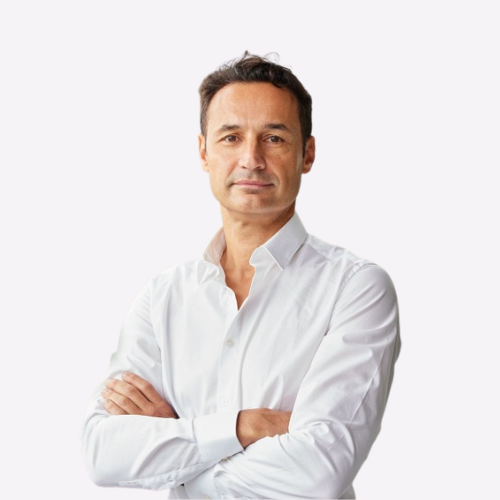
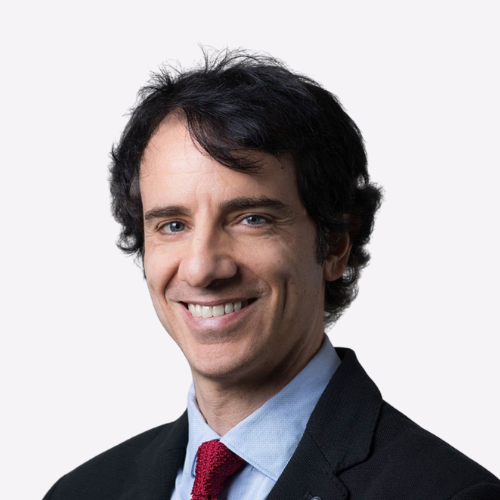
  • Marco Quarta
  • Nicola Neretti
  • Heinrich Jasper
  • Marco Demaria
Read the paper
2026 Advancing senescence translation through the Senotherapeutics Biomarker Consortium

The authors
Announcing

SBC Inaugural Summit 2026

Senotherapeutics Biomarker Consortium

The Phaedon Institute is proud to announce the inaugural Senotherapeutics Biomarker Consortium (SBC) Summit, taking place at Stanford University on December 7th 2026.

  • December 7, 2026
Learn more and register

Taking place atStanford University

Stanford University
SBC Inaugural Summit 2026 flyer, December 7, 2026 at Stanford University View full flyer